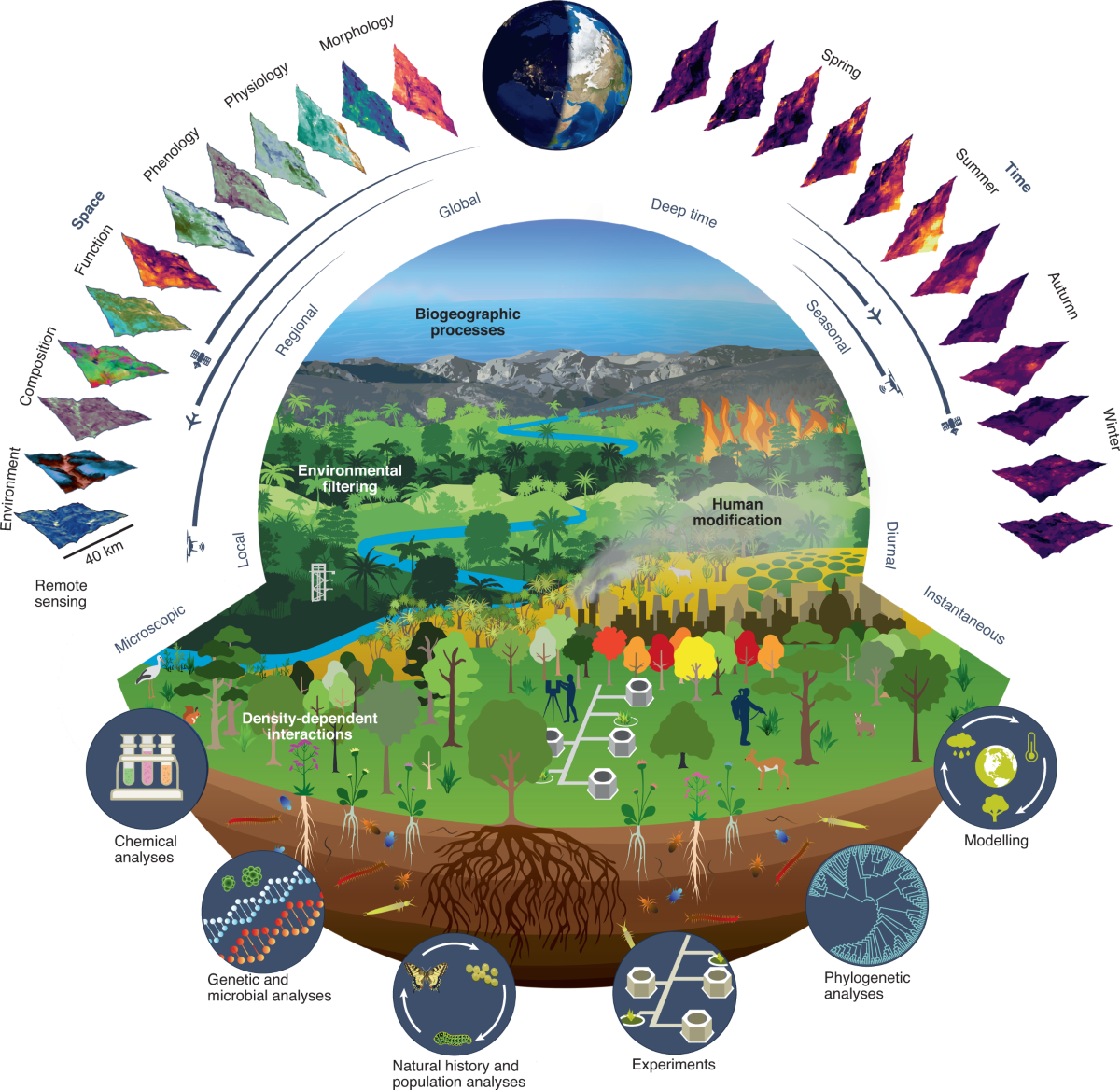
The growing need for infrastructure construction, especially power transmission and transformation projects, has created important environmental difficulties (Lian et al., 2022). These projects frequently disrupt natural ecosystems, causing soil erosion, poor water quality, and biodiversity loss (Wang et al., 2023). As a response to these difficulties, efficient soil and water conservation measures have become essential to reduce negative ecological effects (Chen et al., 2020). The assessment of ecological functions related to these conservation procedures is critical for calculating their efficacy and guaranteeing sustainable implementation (Bian et al., 2024). By evaluating the ecological results of conservation tactics, stakeholders can develop informed decisions that encourage environmental wellness while also promoting infrastructure growth (Li et al., 2020). Figure (1) depicts the interdependence of different ecological features, like vegetation cover, soil erosion rates, and water quality indices, which all contribute to the evaluation of conservation efficiency. This figure emphasizes the intricacy of ecological systems and the requirement for an extensive assessment framework that incorporates various data sources and analytical methods.